AI Can Now Predict Diseases From How You Sleep
New research shows AI can predict neurodegenerative diseases from sleep patterns - but the implications go beyond medical diagnosis.
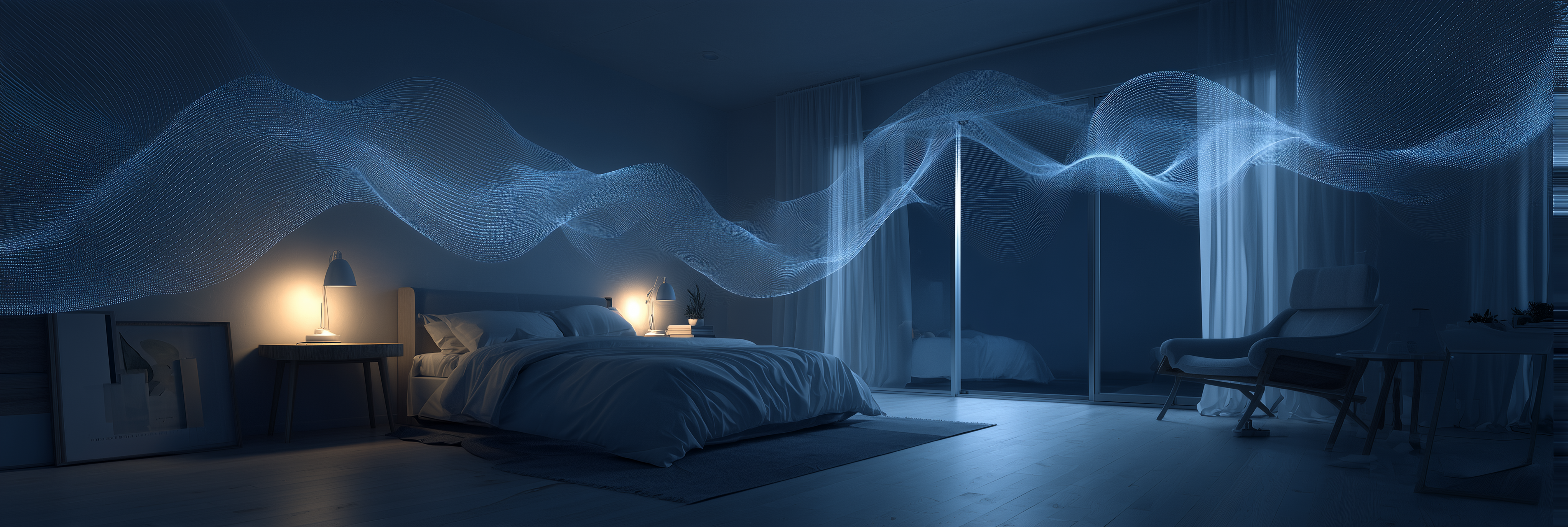
Researchers have developed AI models that can predict neurodegenerative diseases years before symptoms appear, just by analysing sleep patterns. Early detection for Parkinson's, Alzheimer's, and similar conditions. Potentially life-changing.
Also potentially a privacy nightmare, depending on who has access to your sleep data.
How It Works
Your sleep isn't just rest - it's diagnostic data. REM cycles, movement patterns, breathing irregularities, heart rate variability during different sleep stages. All of it changes subtly as neurodegenerative diseases develop, often years before conscious symptoms appear.
AI models trained on thousands of sleep studies can spot these patterns. Feed them data from a smartwatch or sleep tracker, and they can flag early warning signs that human doctors would miss.
The medical potential is real. Early intervention can slow disease progression. Catching Parkinson's five years earlier could meaningfully improve quality of life.
The Privacy Problem
Here's the issue: your sleep data reveals more than just disease risk.
Sleep patterns correlate with mental health, stress levels, substance use, pregnancy, and dozens of other conditions. Feed that into an AI model, and you've got a remarkably complete health profile - without ever seeing a doctor.
Now ask yourself: who owns that data?
If it's your smartwatch company, they know. If they share it with insurers (which they will, given the right incentive structure), your premiums adjust before you even know you're at risk. If employers get access (and in the US, health insurance is often tied to employment), suddenly your job security depends on how well you sleep.
This isn't hypothetical. We've seen this pattern before with genetic testing, fitness tracking, and mental health apps. Data that seems purely personal and medical ends up in corporate databases, getting used for risk assessment and pricing decisions.
What Happens Next
Medical AI like this will improve. The models will get better. The predictions more accurate. That's inevitable and probably net-positive for human health.
But without robust data protection laws, we're building a system where your biology becomes legible to institutions that profit from knowing your risks before you do.
The tech isn't the problem. The governance is.
If you're using sleep trackers, fitness wearables, or any device that monitors biometric data, ask yourself: who has access to this, and what are they allowed to do with it?
Because the answer probably isn't "just you and your doctor."